Virtual Horse Racing Simulations: Data Patterns, Algorithmic Predictions, and Casino Feature Crossovers
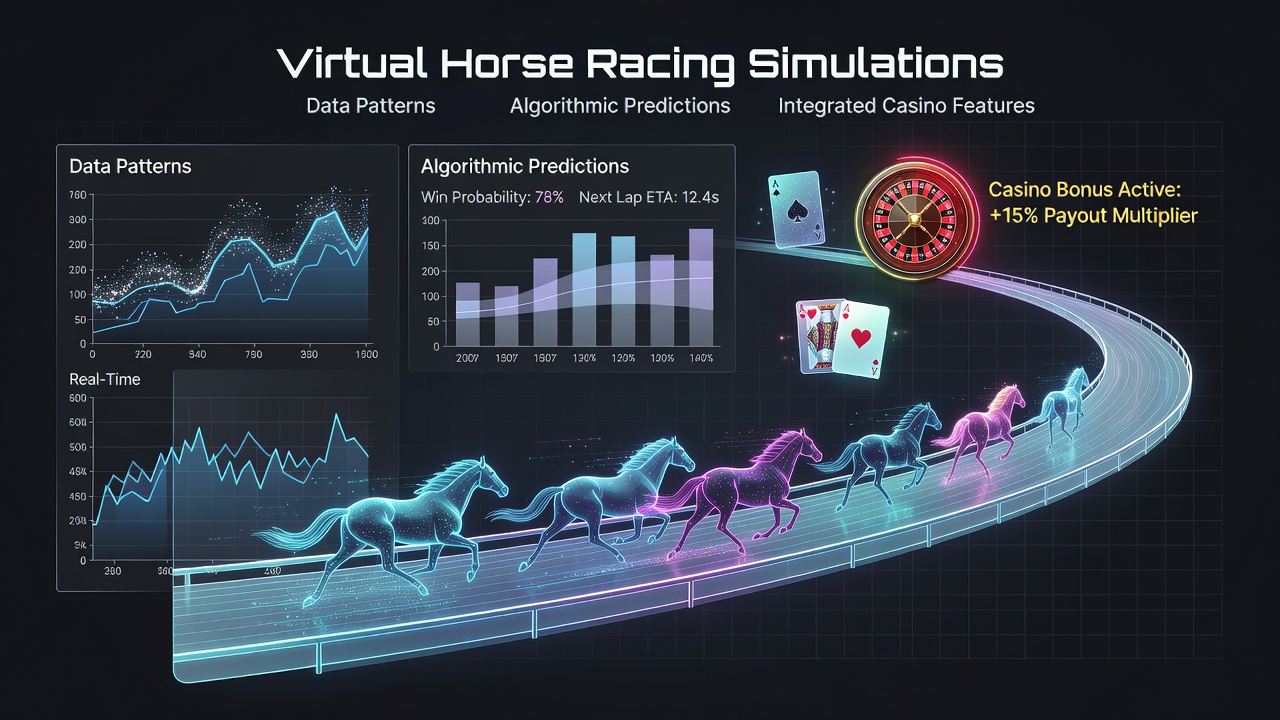
Virtual horse racing simulations have grown into a distinct segment within digital entertainment and gaming platforms, where developers rely on extensive datasets to replicate race outcomes and participant behaviors. These systems draw from historical performance metrics, track conditions, and equine statistics to generate realistic events that run continuously without live animals or physical venues. Observers note that the core appeal lies in how data patterns inform every aspect of the simulation, from starting gates to finish lines.
Mapping Data Patterns in Simulated Races
Researchers have identified recurring structures in the datasets that power these simulations, including variables such as stride length averages, acceleration curves under varying weather models, and fatigue indicators derived from past virtual events. Companies aggregate anonymized results across thousands of simulated races to refine probability distributions, which then feed into the generation engines. Data shows that patterns often cluster around specific track surfaces, with synthetic dirt courses producing different variance levels than turf equivalents. Those who've studied these systems find that seasonal adjustments appear in the algorithms, mirroring real-world equine cycles even though no biological horses participate.
Additional layers include jockey decision trees and positioning logic that evolve based on cumulative race archives. Industry reports indicate that machine learning models process these inputs to detect anomalies, such as unusual clustering of high-speed finishes, and adjust simulation parameters accordingly. This process keeps the output balanced while maintaining engagement across repeated sessions.
Algorithmic Predictions and Model Refinements
Predictive components within virtual horse racing rely on layered algorithms that combine random number generation with weighted historical inputs. Developers apply regression techniques and neural network variants to forecast race segments, allowing the system to produce plausible results that align with established performance baselines. Evidence from technical reviews reveals that these models undergo regular calibration cycles, often quarterly, to incorporate new pattern data and prevent predictability drift.
One study revealed that ensemble methods, where multiple prediction sub-models vote on outcomes, reduce variance in simulated results by measurable margins compared to single-algorithm approaches. Participants in these environments encounter odds displays that update in real time based on these calculations, creating a dynamic betting layer without external variables. What's significant is how the algorithms handle edge cases, such as late surges or positioning shifts, by referencing probability matrices built from millions of prior simulations.

Crossovers with Casino Features and Hybrid Mechanics
Many platforms now embed virtual horse racing within broader casino ecosystems, where race events trigger bonus rounds or contribute to progressive jackpots shared with slot and table game sections. These integrations allow users to carry virtual credits across formats, while algorithmic outputs from the races influence multiplier values in connected mini-games. Figures from sector analyses show increased session durations when such crossovers activate, as participants move fluidly between predictive racing segments and chance-based casino elements.
Regulatory frameworks in various regions have begun addressing these hybrids, particularly as age rating systems evolve. In June 2026, updates from classification bodies in Europe will apply minimum age thresholds to certain interactive mechanics that blend simulated racing with loot-style rewards, aligning virtual formats more closely with established gaming standards. This shift affects how developers structure crossover features to maintain compliance while preserving the data-driven core of the racing simulations.
External partnerships between simulation providers and casino operators further expand these connections, incorporating loyalty systems that reward consistent engagement across both racing and traditional casino titles. According to findings published by the American Gaming Association, hybrid models have expanded in North American markets through platform updates that synchronize prediction outputs with casino promotional cycles.
Industry Data Sources and Validation Practices
Validation of simulation integrity often draws from independent audits conducted by organizations focused on digital fairness. Research institutions in Australia and Canada have contributed comparative studies that examine pattern consistency across different regional implementations. A report issued by the Responsible Gambling Council outlines methodologies used to test algorithmic transparency in virtual racing products, emphasizing the role of third-party verification in maintaining user trust.
These efforts highlight how data patterns serve dual purposes: they enhance predictive accuracy for operators while supplying the raw material for regulatory compliance checks. Observers note that ongoing refinements continue to incorporate feedback loops from user interaction logs, which feed back into model training without compromising outcome randomness.
Conclusion
Virtual horse racing simulations continue to evolve through the interplay of detailed data mapping, refined prediction algorithms, and expanding casino integrations that extend their reach into hybrid gaming environments. As platforms adapt to upcoming classification changes in 2026 and incorporate insights from diverse international sources, the sector maintains its focus on algorithmic precision and cross-feature connectivity. The result is a self-contained ecosystem where patterns and predictions drive both entertainment value and operational stability across multiple jurisdictions.