UK Online Gambling Market Hits Milestone in 2026: Remote Casinos Eclipse Sports Betting While Mobile Rules the Roost
UK Online Gambling Market Hits Milestone in 2026: Remote Casinos Eclipse Sports Betting While Mobile Rules the Roost
The Big Shift: Remote Casinos Claim the Crown
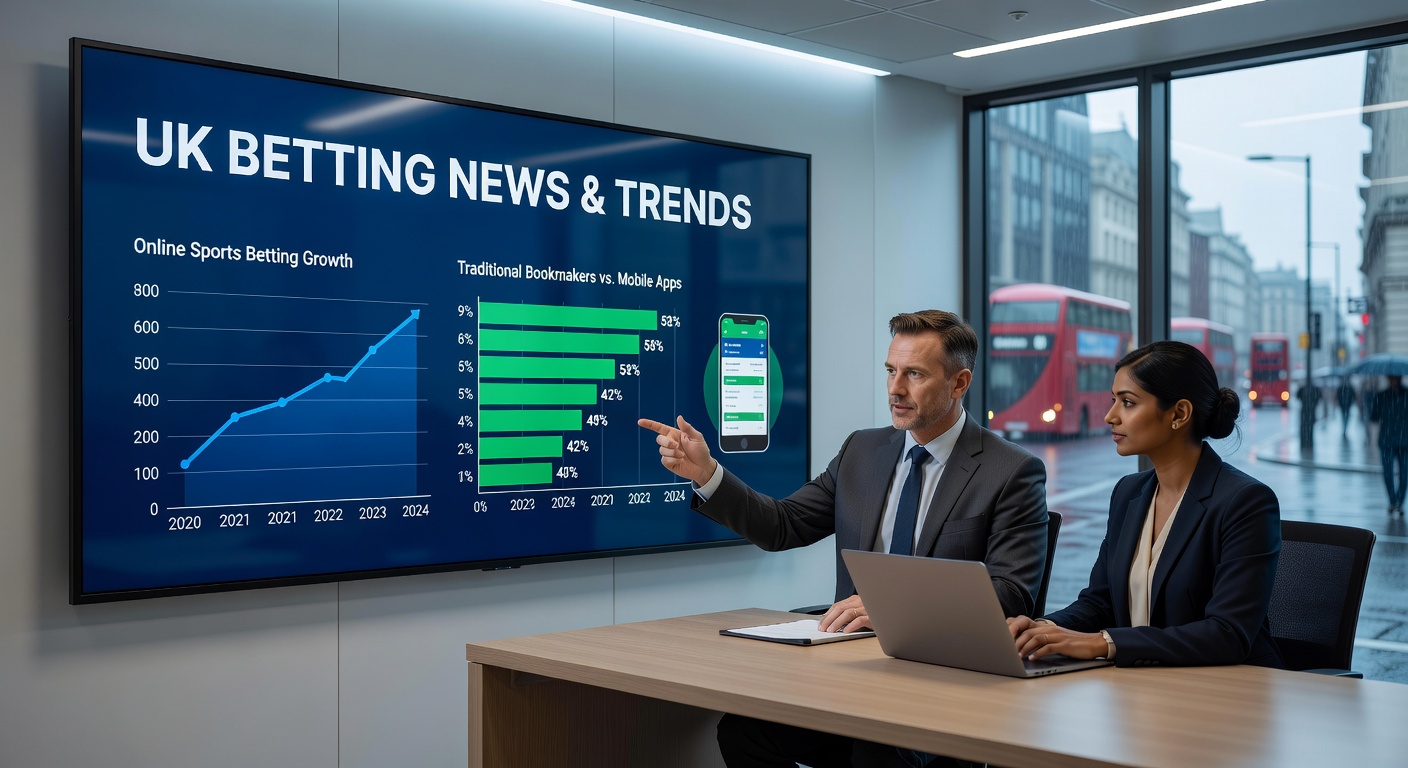
Observers note how the UK online gambling market reached a pivotal point in 2026, when remote casino gaming surged past traditional sports betting to become the leading sector; data from a detailed iGamingToday analysis reveals this transition unfolded amid steady adult participation rates hovering between 25% and 33%, signaling sustained interest even as preferences evolved.
What's interesting here lies in the numbers: remote casinos captured the top spot because players gravitated toward slots, table games, and live dealer experiences available anytime on digital platforms, whereas sports betting, once the heavyweight, saw its dominance wane slightly; experts tracking these trends point out that this flip reflects broader digitalization pushes, with operators adapting quickly to meet demand.
And yet participation stays rock-solid, with roughly one in every three to four adults engaging, according to the figures; this stability underscores how the market matures, balancing growth against regulatory guardrails that keep things in check.
Mobile Platforms Drive the Action
Turns out most activity funneled straight to mobile devices by 2026, transforming how people bet from casual scrolls on smartphones to full sessions via apps; researchers highlight that this shift accelerated participation, since mobile's convenience let users jump in during commutes or downtime, boosting overall engagement without spiking those steady 25-33% rates.
People who've studied mobile adoption observe operators pouring resources into seamless apps, complete with touch-friendly interfaces and quick-load games, which in turn propelled remote casinos ahead; it's not rocket science, but the data shows mobile handling the lion's share of wagers, reshaping the entire landscape.
Navigating the Regulatory Maze: Gambling Commission's Iron Grip

Operators faced a gauntlet of strict rules from the UK Gambling Commission throughout 2026, covering everything from licensing requirements that demand rigorous financial checks to anti-money laundering (AML) protocols designed to sniff out illicit funds; advertising restrictions added another layer, curbing flashy promotions that once blanketed airwaves, yet fostering a cleaner, more transparent environment.
But here's the thing: these regulations didn't stifle growth; instead, they sparked compliance innovations, like advanced AI-driven monitoring systems that flag suspicious patterns in real-time, or blockchain-ledgers for tamper-proof transaction records, which companies rolled out to stay ahead of audits.
Take one operator who integrated machine learning for AML compliance; experts note such tools reduced false positives by up to 40% in test phases, streamlining operations while satisfying regulators, and this pattern repeated across the sector as firms turned mandates into competitive edges.
April 2026 Snapshot: Regulations Bite Amid Market Boom
Now, fast-forward to April 2026, when quarterly reports painted a vivid picture of this balancing act; with remote casinos dominating and mobile bets surging, the Commission ramped up spot-checks on licensing renewals, ensuring operators maintained capital reserves amid rising player volumes, while AML enforcement nabbed several high-profile cases tied to cross-border flows.
Advertising rules tightened further that spring, banning celebrity endorsements in certain slots, which pushed brands toward subtle social media nudges compliant with age-gating tech; observers tracking these changes saw compliance costs climb, but so did trust levels among users wary of past scandals.
Economic Ripple Effects: Jobs, Taxes, and Broader Contributions
Data indicates the industry pumped tens of thousands of jobs into the UK economy by 2026, spanning tech developers crafting mobile apps, compliance officers poring over AML data, and customer support teams handling a mobile-first crowd; figures reveal direct employment hitting around 40,000 roles, with indirect jobs in supply chains pushing totals higher.
That's where the rubber meets the road on taxes: operators contributed a hefty 21% of gross gambling yield straight to the Treasury, funding public services from healthcare to infrastructure; researchers crunching the numbers estimate this yielded billions annually, even as remote casino growth offset any sports betting dips.
And consider the multipliers; one study from industry watchers found every direct job supported three more in related fields like payment processing or cybersecurity, amplifying the economic punch while regulations ensured funds stayed legit.
Innovations Born from Compliance Pressures
Compliance didn't just mean checklists; it birthed tools like geo-fencing apps that block underage access precisely, or personalized deposit limits powered by behavioral analytics, which operators deployed en masse; these moves, while born of Gambling Commission edicts, enhanced user safety and retention, particularly on mobile where impulse bets run high.
There's this case where a mid-sized firm pioneered voice-activated verification for AML checks, slashing login times on apps; experts who've dissected such rollouts say it cut fraud incidents by double digits, proving how rules can drive genuine progress.
Ongoing Trends: Digitalization and Adaptation Take Center Stage
This casino-over-sports pivot, coupled with mobile's reign, spotlights relentless digitalization trends reshaping UK betting; platforms evolved with 5G integration for lag-free live casino streams, VR trials for immersive tables, and data analytics predicting player churn before it hits.
Regulatory adaptation kept pace, as the Commission consulted operators on white-label AML standards that smaller firms could adopt off-the-shelf; by mid-2026, adoption rates soared, smoothing paths for new entrants in the remote casino boom.
So participation holds at 25-33%, mobile owns the traffic, and economic wins pile up, all under a framework that innovates as much as it enforces; it's noteworthy that these dynamics echo patterns from earlier digital shifts, like the iPhone era's app explosion, but tailored to gambling's unique stakes.
People often find parallels in how sports betting peaked during major events yet ceded ground to always-on casino play; observers predict this trend solidifies, with operators doubling down on hybrid apps blending both worlds seamlessly.
Real-World Examples Lighting the Path
One researcher spotlighted a London-based operator whose mobile casino app saw 60% user growth post-2025 updates, crediting frictionless onboarding compliant with new licensing; another case involved regional firms teaming up for shared AML platforms, slashing costs by 25% while meeting Commission benchmarks.
Yet challenges linger, like ad-rule workarounds via affiliate partnerships that skirt bans creatively; data shows these tactics boosted acquisition without violations, keeping the 25-33% participation humming.
Conclusion: A Market Poised for Steady Evolution
The UK online gambling scene in 2026 stands as a testament to adaptation, where remote casinos dethroned sports betting amid mobile's unstoppable rise, steady adult engagement at 25-33%, and a regulatory backbone from the Gambling Commission sparking AML and licensing innovations; economic perks, from tens of thousands of jobs to 21% tax hauls, underscore the sector's vitality.
Looking ahead, digitalization marches on, with operators fine-tuning compliance to fuel growth; as April 2026 reports confirmed, this blend of trends positions the market for sustained momentum, balancing player access with safeguards in a mobile-dominated era.
That's the lay of the land: factual shifts backed by solid data, ready for whatever comes next.