Simulation Algorithms Bridge Equestrian Variables With Accumulator Frameworks

Virtual simulation algorithms process large datasets from horse racing events while incorporating measurable equestrian variables such as track moisture levels, stride patterns, and seasonal temperature shifts, and these models support refinements to accumulator structures across multiple betting platforms operating under prevailing UK regulatory standards. Data from race meetings in spring 2026 shows increased integration of these computational tools with live performance metrics, allowing operators to adjust accumulator parameters in real time without violating compliance requirements.
Core Components of Virtual Simulation Models
Simulation systems rely on layered algorithms that combine kinematic data from equine motion capture with environmental inputs collected at racecourses, and researchers at several European academic institutions have documented how these layers interact to generate probability distributions for multi-leg accumulator selections. Ground condition variables enter the models through standardized measurement protocols that track soil compaction and grass density, while horse-specific factors include historical recovery times between races and weight adjustments recorded by stewards.
Cross-platform accumulator structures benefit when simulation outputs feed directly into pricing engines used by operators, because the same dataset can inform both virtual race recreations and real-world event forecasts, and this alignment reduces discrepancies that previously required manual overrides during live events.
Regulatory Context and Compliance Mechanisms
Current UK regulatory frameworks require operators to demonstrate that accumulator products maintain transparency in how odds are derived from both simulated and observed data sources, and guidance issued by oversight bodies emphasizes audit trails for algorithmic adjustments. In May 2026 several platforms completed scheduled reviews of their simulation pipelines to confirm that variable weighting remained consistent with documented risk parameters, and external auditors verified that updates to equestrian datasets did not trigger reclassification of accumulator products.
Operators maintain separate logging systems for virtual and real inputs to satisfy these requirements, while shared accumulator engines apply identical validation rules to both streams, and this dual-track approach has become standard practice across licensed platforms.
Integration of Real-World Equestrian Variables
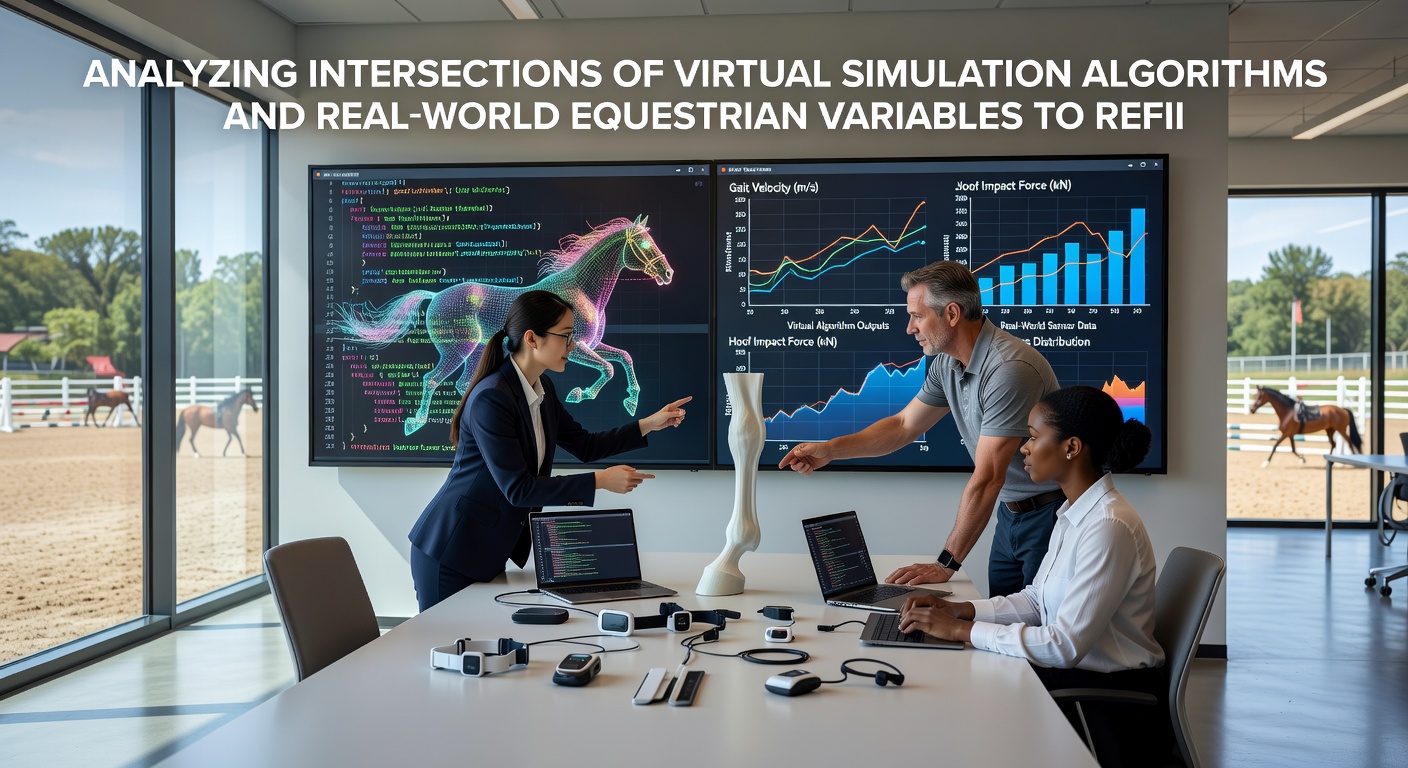
Real-world variables enter simulation pipelines through automated feeds from timing systems and weather stations positioned at major tracks, and these feeds update model coefficients every fifteen minutes during race days. Studies conducted by Australian racing research groups indicate that incorporating live stride analytics improves forecast accuracy for jump races by measurable margins, particularly when ground conditions change rapidly during a meeting.
Accumulator structures that span multiple platforms can therefore draw on unified variable sets rather than maintaining isolated calculations for each channel, and this consolidation streamlines compliance reporting because regulators receive consistent data exports regardless of the delivery method chosen by bettors.
Cross-Platform Technical Adjustments
Technical teams adjust accumulator payout matrices when simulation outputs diverge from observed results beyond predetermined thresholds, and these adjustments occur through parameterized scripts that reference both virtual and physical datasets. Industry reports from Canadian gaming associations note that platforms adopting unified data architectures report fewer reconciliation issues during post-event audits, while maintaining the required separation between simulated training environments and live betting modules.
Updates rolled out in early 2026 introduced additional validation layers that cross-check accumulator selections against both simulated distributions and actual race statistics before final confirmation, and these layers operate continuously without interrupting user interfaces.
Future Data Streams and Model Refinement
Additional sensor technologies deployed at training facilities continue to expand the pool of available equestrian variables, and simulation algorithms incorporate these inputs through iterative retraining cycles that preserve regulatory auditability. Observers note that platforms operating under UK frameworks have aligned their update schedules with broader European data standards, allowing shared reference datasets to support accumulator calculations across borders while respecting local licensing conditions.
Conclusion
Integration of virtual simulation algorithms with documented equestrian variables supports ongoing refinement of cross-platform accumulator structures while operators remain aligned with prevailing regulatory expectations, and continued development of sensor networks plus standardized data protocols will likely sustain this convergence through subsequent review periods.