Regional Greyhound Circuits Recalibrate Exotic Wager Margins With Effects on Operator Incentives

Regional greyhound circuits have implemented margin recalibrations on exotic wagers including trifectas, quinellas, and first-four bets, and these changes have produced measurable shifts in how operators structure layered incentive programs. Data compiled through June 2026 indicates that several circuits in Australia and Ireland adjusted their hold percentages by between 1.2 and 3.8 percentage points on multi-leg exotic products, while North American tracks maintained steadier rates yet introduced new pooling thresholds.
Understanding the Margin Adjustments
Operators calculate exotic wager margins by subtracting the payout pool from total stakes after deducting track commissions, and recent recalibrations reflect updated risk models that incorporate live field-size data and historical payout volatility. In Victoria, Australia, the Greyhound Racing Victoria authority reported that average trifecta margins moved from 22.4 percent to 24.9 percent across its metropolitan venues during the first half of 2026, with the largest increases applied to races featuring eight-dog fields. Similar patterns emerged in Irish circuits where the Irish Greyhound Board documented quinella margin lifts of 1.8 percentage points at tracks such as Shelbourne Park and Tralee.
These adjustments coincide with revised tote pooling agreements that allow cross-border commingling, and analysts note that larger pools have reduced variance yet require tighter margin controls to maintain operator viability. Research from the Australian Gambling Research Centre shows that exotic bet turnover grew 11 percent year-on-year through May 2026, yet average returns to punters declined modestly in recalibrated markets.
Layered Operator Incentive Structures
Layered incentives typically combine sign-up bonuses, reload offers, and loyalty multipliers that operators fund partly through exotic wager margins, and margin recalibrations have prompted operators to rebalance these layers. Several firms reduced maximum bonus percentages on exotic accumulator products by 5 to 12 percent while expanding cashback tiers on straight win and place bets to maintain overall customer engagement metrics. Industry reports indicate that operators in multi-jurisdictional markets now allocate a smaller share of exotic pool revenue toward promotional play credits and a larger share toward compliance reserves required under updated responsible gambling frameworks.
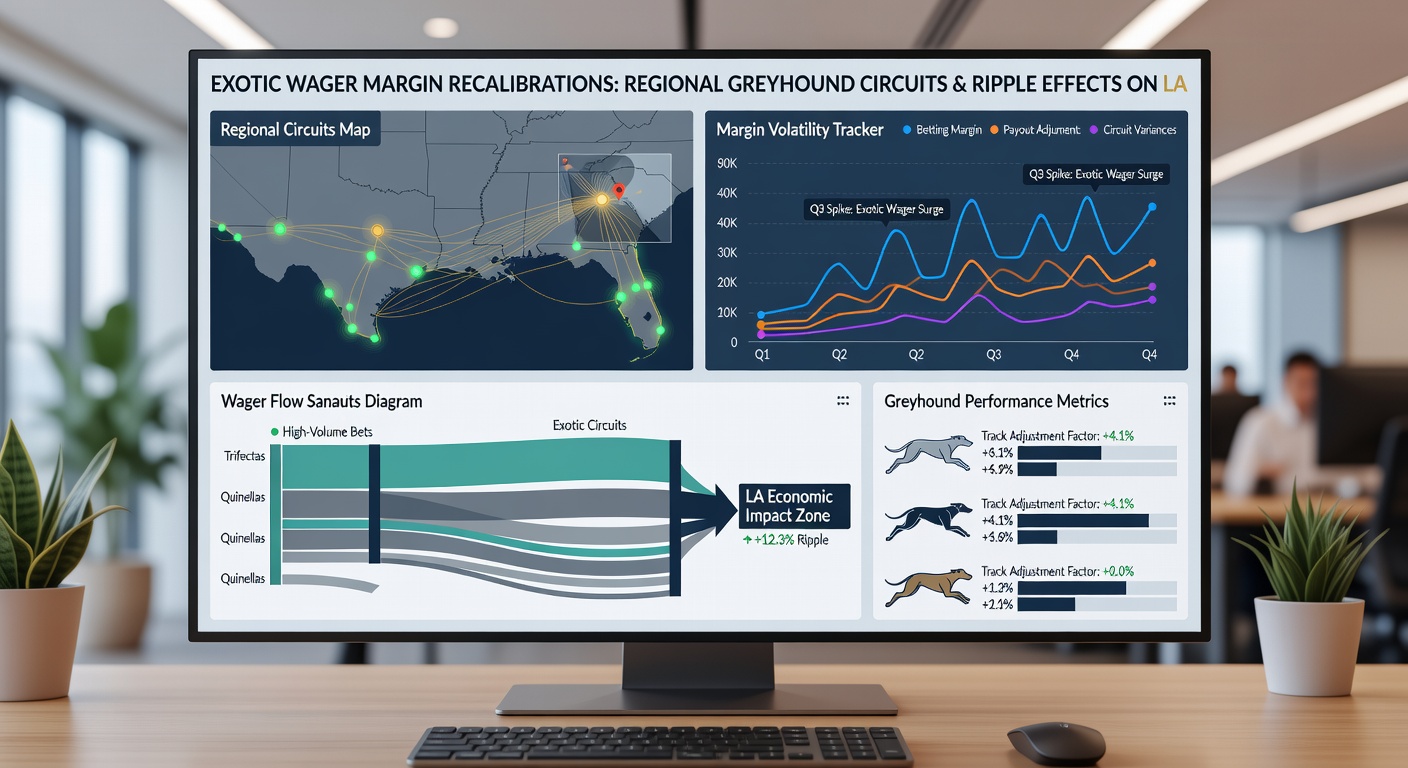
One Australian operator introduced a tiered rebate system in April 2026 that caps exotic bet bonuses at lower percentages once weekly turnover exceeds defined thresholds, and this structure directly reflects the higher hold percentages now embedded in regional pools. Data from the same period reveals that loyalty point accrual rates on exotic wagers dropped by an average of 8 percent across three major platforms, while straight-bet accrual rates remained unchanged.
Cross-Regional Ripple Effects
Because many operators participate in shared liquidity pools spanning multiple circuits, a margin increase in one region can influence pricing and promotional capacity elsewhere. When Irish circuits raised quinella margins, several international betting platforms adjusted their derived odds on Australian greyhound races to preserve arbitrage boundaries, and this synchronization produced slight compression in promotional overlay offers available to customers in both markets. Observers note that operators with heavy exposure to Irish pools responded by enhancing deposit-match incentives on North American tracks to offset reduced exotic margins from European-sourced liquidity.
Academic analysis published by the University of Melbourne's Centre for Gambling Research examined twelve months of transaction data ending June 2026 and found that operators facing higher exotic margins shifted 14 percent more of their marketing spend toward retention bonuses rather than acquisition offers. The study also recorded a measurable rise in straight-bet promotions as operators sought to balance customer portfolios away from high-margin exotic products.
Regulatory and Pooling Considerations
Regulatory bodies outside the United Kingdom have issued guidance on how margin changes interact with consumer protection requirements, and these directives influence how operators disclose recalibrated hold percentages within incentive terms. In New South Wales, updated rules effective March 2026 require operators to publish exotic wager margin ranges alongside any bonus eligibility criteria, and early compliance reports show consistent adherence across licensed platforms. Canadian provincial regulators have similarly requested quarterly disclosures on how margin adjustments affect promotional liability reserves, prompting operators to refine their internal accounting for layered incentives.
Pool commingling agreements administered through bodies such as the International Federation of Greyhound Racing Authorities continue to evolve, and participating circuits now include margin adjustment clauses that trigger automatic review when hold percentages move beyond predefined bands. These clauses have already activated twice in 2026, leading to harmonized margin bands across three Australian states and two Irish provinces.
Conclusion
Margin recalibrations on exotic greyhound wagers have produced documented changes in how operators construct and fund layered incentive programs across regional circuits. Turnover data through June 2026, combined with regulatory disclosures from Australia, Ireland, and North America, demonstrate that operators respond by reallocating promotional resources, adjusting bonus caps, and enhancing straight-bet offers. Continued monitoring of pooling agreements and incentive disclosures will clarify whether these patterns stabilize or generate further regional divergence in the coming periods.