Bracket Breakdowns in Competitive Gaming: Analytics Powering Specialized Wagers and Operator Incentives
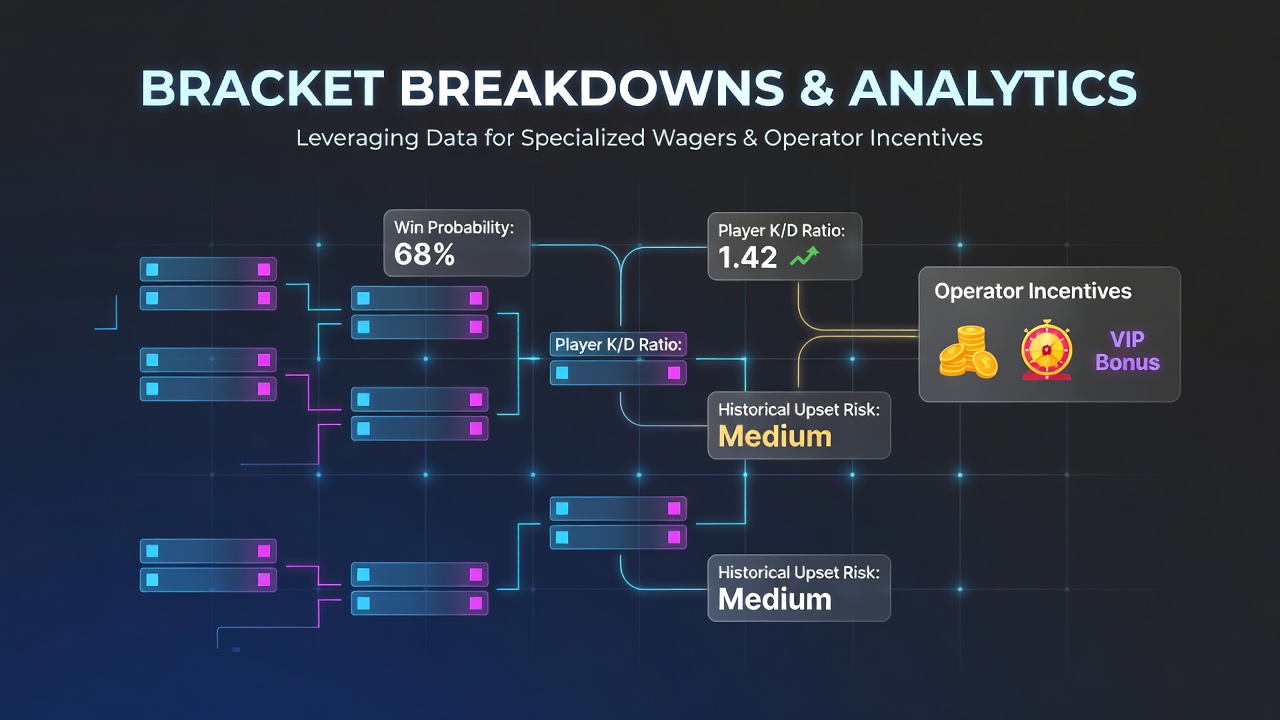
Competitive gaming brackets have evolved into intricate structures where data analytics now drive specialized betting options and shape the rewards that operators extend to participants. Tournament formats in titles such as League of Legends and Counter-Strike feature single-elimination and double-elimination paths that generate dozens of potential outcomes, and analysts track variables including head-to-head records, map win rates, and player performance metrics to isolate niche wagers like exact round counts or specific player milestone achievements.
Analytics Foundations in Bracket Structures
Teams advance through brackets according to predefined seeding and match schedules, yet historical data sets reveal patterns that betting platforms convert into targeted propositions. Researchers at institutions including the University of California have compiled esports performance databases spanning multiple seasons, and these resources show how early-round favorites maintain higher advancement rates while lower seeds occasionally produce upsets that alter payout structures. Operators respond by adjusting odds on bracket progression paths, which creates incentives such as enhanced returns for multi-stage accumulators when specific conditions align.
Platforms monitor live data feeds during events to refine wager availability, and this process allows them to introduce time-limited promotions tied to bracket milestones. Data from industry reports produced by the Esports Integrity Commission indicates that bracket-related betting volume increases during major circuits, particularly when analytics highlight statistical edges in side selections or handicap applications.
Specialized Wager Types Emerging from Bracket Data
Specialized wagers extend beyond standard match winners to encompass bracket-specific elements such as longest remaining path predictions or combined advancement probabilities across regions. Analysts apply regression models to past tournaments, and the resulting figures enable operators to price options on variables like total maps played within a bracket segment or the likelihood of a particular seed reaching semifinals. These propositions often appear alongside standard lines, and they attract participants who review detailed statistical breakdowns before committing stakes.
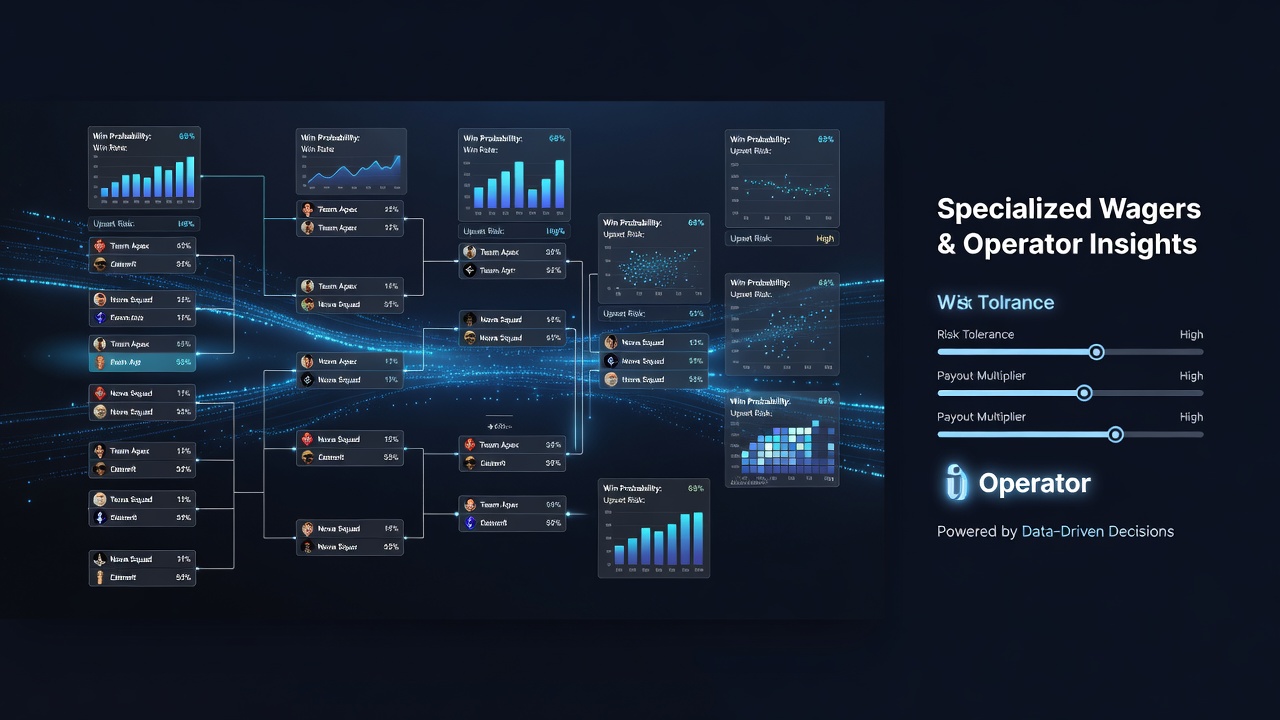
July 2026 saw expanded data partnerships between tournament organizers and analytics firms, which led to more granular bracket simulations becoming available to operators. These simulations incorporate variables such as roster changes and patch updates, and they inform the creation of incentives including deposit matches or free wager credits when users engage with bracket progression markets.
Operator Incentives Linked to Bracket Engagement
Betting operators design incentive programs that reward activity within bracket-focused markets, and examples include tiered bonus structures triggered by successful predictions on advancement stages. Industry associations such as the Interactive Games and Gambling Association have documented how these programs correlate with increased participation during high-profile circuits, where bracket breakdowns highlight value opportunities in underdog selections or specific series lengths. Participants receive notifications about available boosts when analytics platforms flag statistically interesting bracket nodes, and this integration streamlines the process of locating relevant wagers.
Regional variations appear in incentive offerings, with North American and European operators emphasizing accumulator insurance on bracket paths while Asia-Pacific platforms focus on cashback tied to total bracket engagement volume. Figures released by the Australian Communications and Media Authority reveal measurable growth in such hybrid offerings, and operators attribute part of this expansion to refined analytics that identify bracket segments with elevated predictive accuracy.
Integration of Real-Time Data Streams
Live bracket updates feed directly into wagering interfaces, and this connectivity allows operators to activate dynamic incentives such as boosted odds on remaining paths when key upsets occur. Observers note that real-time models adjust probabilities within seconds of match conclusions, and these adjustments support the rapid deployment of targeted promotions that encourage continued bracket interaction. Academic studies published through the Journal of Gambling Studies have examined how these mechanisms influence participant behavior across multiple titles, and the findings highlight correlations between data transparency and sustained engagement levels.
Conclusion
Bracket breakdowns supported by analytics continue to expand the range of specialized wagers available in competitive gaming while simultaneously guiding the structure of operator incentives. Data resources from university research and regulatory bodies demonstrate consistent patterns in how bracket information translates into betting activity, and platforms maintain these systems through ongoing partnerships with analytics providers. As tournament circuits progress, the linkage between statistical modeling and reward mechanisms remains central to bracket-related wagering ecosystems.