Algorithmic Precision: Mobile Apps Reshaping Real-Time Odds in Soccer and Tennis
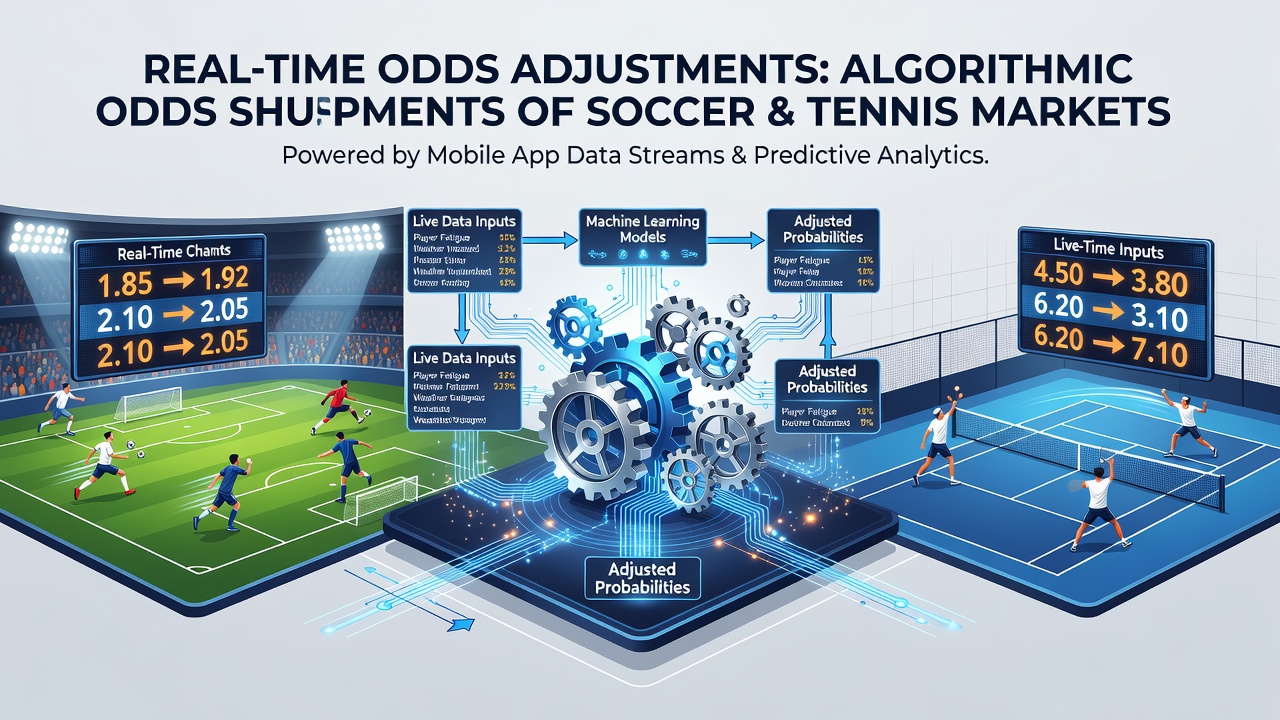
Modern mobile betting platforms rely on complex algorithms that process live data streams to adjust odds across soccer and tennis markets in seconds, and these systems integrate statistical models with incoming information on player performance, match events, and betting volumes. Researchers have documented how such technology allows operators to maintain balanced books while responding to rapid changes, and data from industry analyses show that adjustments occur multiple times per minute during high-profile events.
Core Mechanisms Driving Algorithmic Updates
Algorithms pull from multiple sources including official match feeds, sensor data, and historical patterns before recalculating probabilities, and this process combines machine learning techniques with real-time inputs such as possession statistics in soccer or serve percentages in tennis. Observers note that when betting volume spikes on one outcome, the system automatically shifts odds to encourage counterbalancing wagers, and this dynamic occurs without manual intervention in most cases. Studies from academic institutions reveal that latency in these calculations has dropped below 500 milliseconds on major platforms, which enables seamless updates visible to users across different regions.
Soccer Market Applications
In soccer, algorithms monitor variables like expected goals, player substitutions, and weather conditions that affect field play, then translate those factors into revised odds for goals, corners, and player props. One study revealed that during international tournaments, odds on over/under totals can shift by 0.2 to 0.5 points within a single minute when a team gains sustained pressure, and these movements reflect aggregated data rather than isolated incidents. Experts have observed that live betting on major leagues benefits from continuous integration of video analysis tools, which feed directly into pricing engines and allow markets to reflect current momentum accurately.
Tennis Market Dynamics
Tennis presents distinct challenges because points unfold rapidly and individual player fatigue or momentum shifts can alter outcomes quickly, so algorithms track metrics such as first-serve win rates, break-point conversion, and rally lengths in real time. Data indicates that odds on set winners or game handicaps update after nearly every point during Grand Slam matches, and this frequency stems from the sport's discrete scoring structure that lends itself to granular modeling. Researchers discovered that in July 2026, enhanced mobile data connections further reduced delays in these adjustments, enabling platforms to incorporate external factors like court temperature and humidity alongside performance statistics.
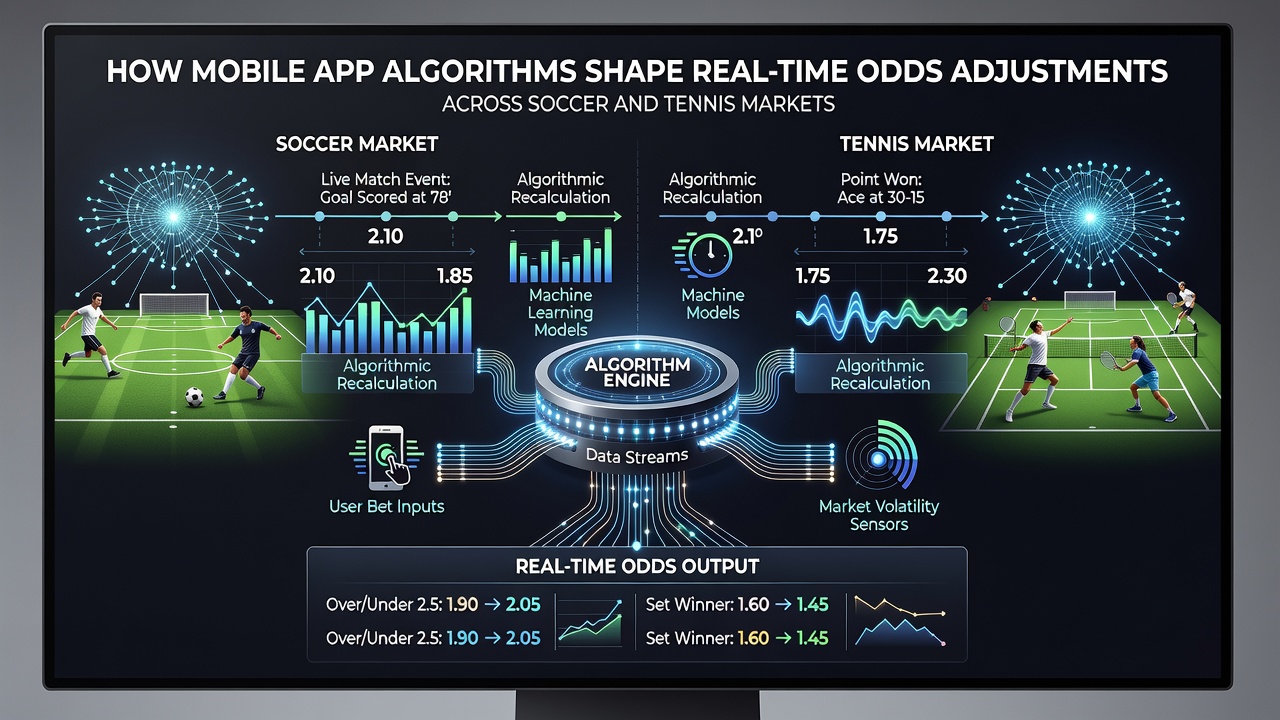
Market liquidity plays a central role because thinner tennis challenger events experience larger swings when algorithms detect unusual betting patterns, whereas soccer's deeper markets often absorb volume with smaller immediate changes. Those who have examined transaction logs across platforms report that automated risk controls trigger re-pricing when exposure on one side exceeds predefined thresholds, and this mechanism protects operators while keeping odds competitive.
External Data Integration and Regulatory Context
Platforms incorporate weather forecasts, injury reports, and even social media sentiment analysis into their models, though primary weight remains on verifiable match statistics. According to findings published by the University of Nevada, Reno, algorithmic systems in regulated markets demonstrate consistent accuracy improvements when cross-referenced against multiple data vendors simultaneously. European Gaming and Betting Association reports further highlight how such integrations support responsible market operation across borders. Regulatory frameworks in various jurisdictions require transparency around automated pricing, and operators must maintain audit trails that document the inputs behind each adjustment.
Future Developments in Algorithmic Betting
Continued advances in edge computing and 5G networks promise even tighter feedback loops, and analysts expect these enhancements to expand the range of micro-markets available during matches. Evidence suggests that user interfaces on mobile devices already display these shifts with minimal lag, which allows bettors to react within the same timeframe as the algorithms themselves. Observers note that cross-sport comparisons between soccer and tennis reveal how scoring tempo influences adjustment speed, with tennis requiring faster recalibrations due to its point-based structure.
Conclusion
Algorithmic systems continue to define how real-time odds evolve in soccer and tennis, and their reliance on layered data sources produces responsive yet stable markets. Industry documentation shows measurable gains in pricing efficiency over recent years, particularly as mobile infrastructure improves globally. These developments reflect broader trends in automated decision-making that extend beyond betting into other data-intensive sectors.