Advancements in Wearable Sensors Transforming Performance Analysis and Market Odds in Global Sports Betting
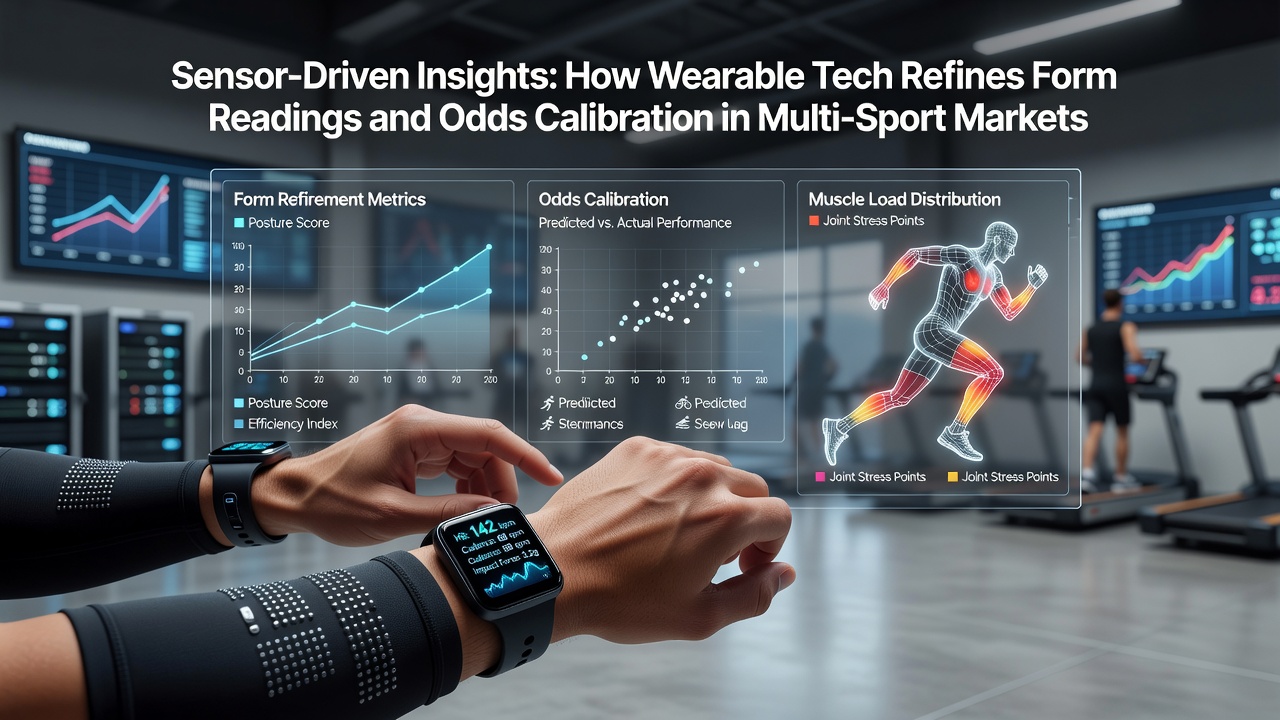
Modern wearable technology now integrates accelerometers, gyroscopes, heart rate monitors, and GPS units into compact devices that athletes wear during training and competition, and these tools generate continuous streams of performance metrics that analysts use to assess physical condition, movement efficiency, and fatigue levels across disciplines such as soccer, tennis, horse racing, and basketball.
Sensor Capabilities and Data Collection Methods
Devices placed on wrists, chests, or embedded in equipment record variables including stride length, joint angles, speed variations, and cardiovascular responses while athletes perform, and researchers have documented how these readings allow precise tracking of biomechanical patterns that traditional observation methods often miss, for instance studies from the Australian Institute of Sport show that GPS-enabled vests provide location data accurate to within one meter during field sports, enabling detailed mapping of player positioning and workload distribution over entire matches.
Heart rate variability measurements combined with accelerometer outputs help identify early signs of overexertion, and when aggregated across multiple sessions these datasets reveal individual recovery timelines that teams incorporate into training schedules, whereas optical sensors in smart textiles detect muscle activation sequences that correlate with injury risk factors in high-impact activities like rugby or track events.
Application to Form Readings in Diverse Athletic Contexts
Form analysis benefits directly from sensor inputs because algorithms process raw data to quantify technique consistency, such as tennis players whose racket swing velocities and footwork patterns get compared against historical benchmarks to highlight deviations that might affect match outcomes, and observers note that this approach extends to equine athletes where saddle-mounted sensors monitor gait symmetry and stride frequency during races, allowing trainers to adjust conditioning programs based on measurable improvements rather than subjective visual assessments alone.
In soccer environments, chest straps and shin guards capture sprint accelerations and directional changes that feed into models predicting player endurance under varying pitch conditions, while basketball applications focus on vertical leap metrics and lateral movement efficiency recorded by ankle devices, and these cross-sport applications demonstrate how standardized sensor protocols support comparative performance evaluations even when rules and physical demands differ substantially between events.
Integration with Odds Calibration Processes
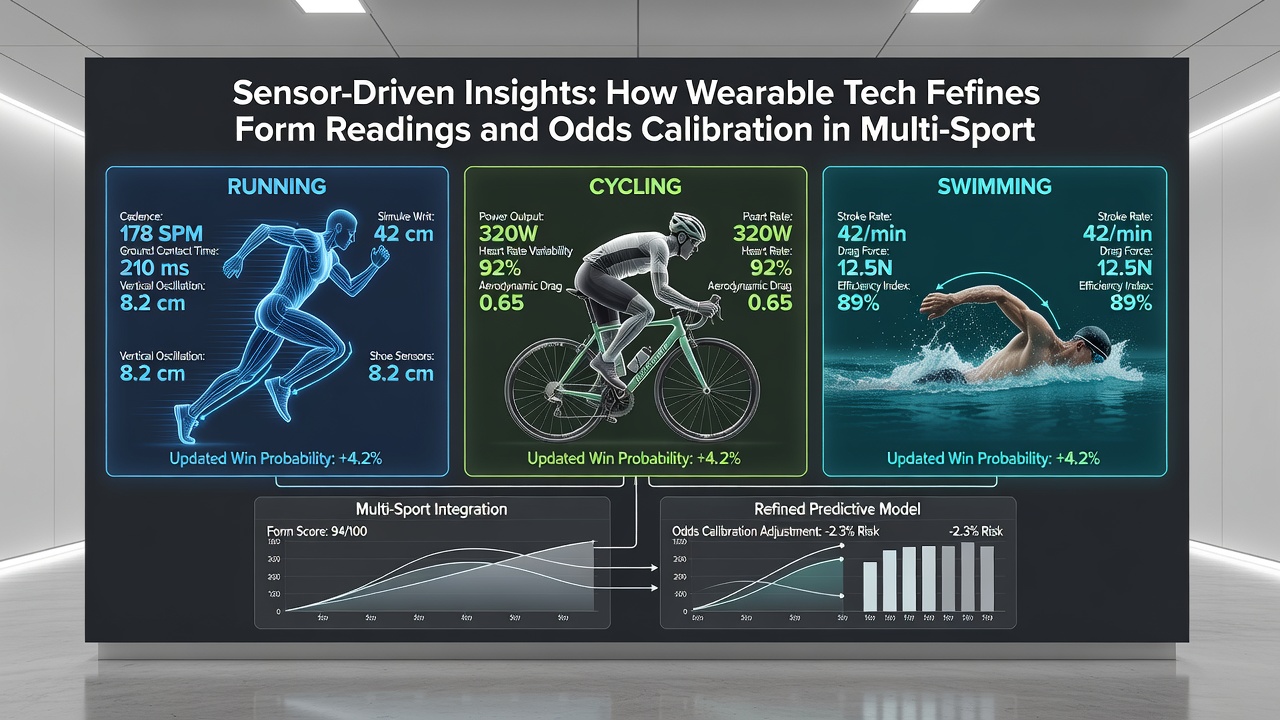
Betting operators and market analysts incorporate sensor-derived metrics into statistical models that adjust probabilities for upcoming contests, because real-time biometric trends provide indicators of current fitness that historical statistics alone cannot capture, for example when a horse exhibits reduced heart rate recovery times in pre-race warm-ups the associated probability adjustments reflect that data point alongside traditional factors like past results and track conditions, and similar refinements occur in team sports where aggregated player workload data influences projected team totals or individual performance lines.
Multi-sport betting platforms utilize unified data frameworks that normalize sensor outputs from different athletic domains, allowing odds compilers to compare relative strengths across events such as a tennis player's serve speed trends against a soccer team's pressing intensity metrics, and according to reports from the Sports Analytics Research Group at the University of Waterloo these calibrated models have shown measurable improvements in predictive accuracy when sensor variables receive appropriate weighting within larger datasets.
Regulatory and Industry Developments Through Mid-2026
By July 2026 several international bodies had begun establishing guidelines for the ethical use of athlete performance data in commercial betting contexts, and the European Association for Sport Management published updated recommendations on data privacy standards that affect how wearable readings enter public markets, while Canadian regulatory frameworks emphasize transparency requirements for operators who integrate biometric information into live odds displays, and these measures aim to balance innovation with protections for both athletes and market participants.
Industry collaborations between technology providers and sports organizations have accelerated the deployment of standardized data formats that facilitate seamless integration across betting platforms, and trade groups such as the World Lottery Association have highlighted case examples where sensor insights contributed to more stable market pricing during major multi-sport tournaments held earlier in the year.
Conclusion
Wearable sensor technology continues to supply detailed performance information that refines form evaluations and supports more precise odds adjustments in markets spanning multiple athletic disciplines, and ongoing developments in data processing combined with evolving regulatory approaches indicate sustained growth in these applications throughout 2026 and beyond, as documented by various research institutions and industry associations worldwide.